
1. Understand Your SEO Goals
Before choosing tools, define what you want to achieve:
- Do you want to improve keyword rankings?
- Analyze backlinks and competitors?
- Track organic traffic growth?
Your goals determine which features matter most.
2. Know the Different Types of SEO Tools
SEO tools serve different purposes. Understanding each category helps narrow your options:
- Keyword Research Tools: Find relevant and high-performing keywords (e.g., Google Keyword Planner, Semrush, Ahrefs).
- On-Page SEO Tools: Optimize content, titles, and meta descriptions (e.g., Yoast SEO, Surfer SEO).
- Technical SEO Tools: Identify crawl errors, broken links, and speed issues (e.g., Screaming Frog, Google Search Console).
- Backlink Analysis Tools: Track your backlink profile and monitor link quality (e.g., Majestic, Ahrefs).
- Analytics Tools: Measure traffic, engagement, and conversions (e.g., Google Analytics, Matomo).
3. Look for Data Accuracy and Reliability
Accurate data is key to effective decision-making. Choose tools known for their precision in keyword tracking, link indexing, and competitor data. Always compare results from multiple sources when possible.
4. Evaluate Ease of Use

A tool’s interface should be intuitive and easy to navigate. If you’re managing multiple clients or campaigns, usability can save valuable time and reduce errors.
5. Check Integration Capabilities
The best SEO tools integrate seamlessly with other platforms, such as:
- Google Analytics and Search Console
- CRM systems
- WordPress or Shopify
Integration streamlines data collection and reporting.
6. Consider Pricing and Scalability
Many tools offer tiered plans. Start with a free trial or entry-level plan to test features. As your business grows, you can upgrade to advanced plans with more analytics and tracking capacity.
7. Review Customer Support and Community
Responsive customer support can make or break your experience. Choose tools that offer live chat, tutorials, and an active community for problem-solving.
8. Prioritize Tools That Offer Reporting and Automation
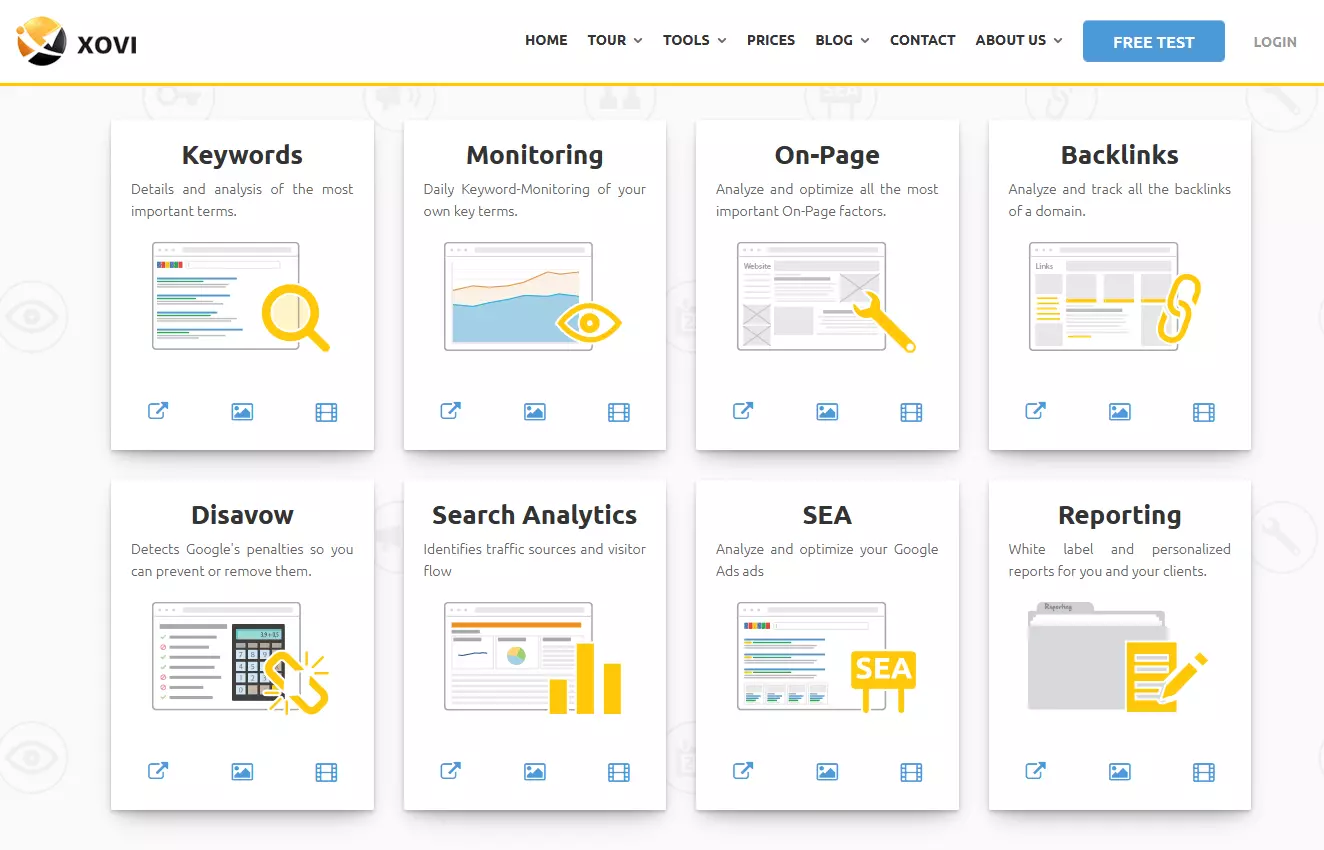
Automated reports save time and help you present data clearly to stakeholders or clients. Look for features like scheduled email summaries and customizable dashboards.
9. Read Reviews and Compare Alternatives
Before committing, read independent reviews on platforms like G2 or Capterra. Compare features, limitations, and user experiences to find the best fit.
10. Keep Testing and Adapting
SEO evolves quickly. Regularly test new tools or updates to ensure your stack stays current and effective. The right combination of tools can dramatically improve efficiency and results.
Conclusion
Choosing the right SEO tools isn’t about finding the most expensive or popular options—it’s about finding tools that fit your goals, workflow, and expertise. With the right setup, you’ll be able to optimize performance, uncover opportunities, and stay ahead of competitors in the ever-changing SEO landscape.